A well-organised pantry can totally transform how your kitchen operates. When everything is in order, cooking is easier, grocery shopping is more efficient, and your kitchen feels cleaner and more spacious. Whether you’re working with a large walk-in pantry or a small cabinet pantry, the right storage solutions will help you maximise space and keep the clutter at bay.
In this guide, we’ll cover the best pantry storage ideas to create a clutter-free kitchen, including smart organisers, space-saving ideas, and practical tips to make your pantry both beautiful and functional.
1. Use Clear Storage Bins
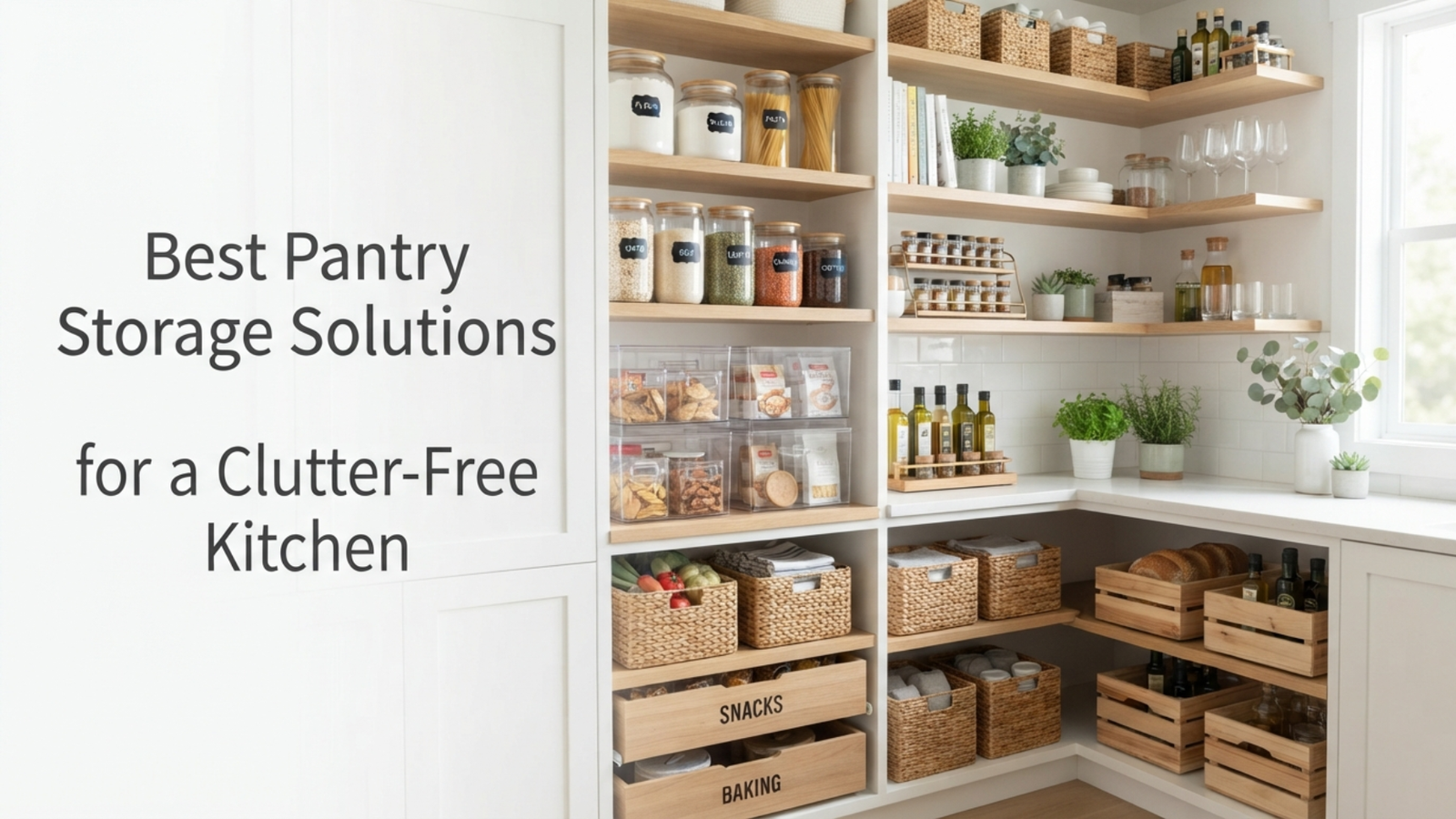
Replacing original food packaging with clear storage containers is one of the easiest ways to create an organised pantry.
Clear containers allow you to:
- See exactly what you have
- Reduce food wastage
- Keep your ingredients fresh
- Create a neat and even appearance
Keep foods like flour, sugar, pasta, rice, cereal, snack foods, and baking supplies in airtight containers.
2. Fit Adjustable Shelves
Fixed shelves leave vertical space unused. Adjustable shelving gives you the flexibility to customise your pantry layout according to your storage needs.
Benefits:
- More levels of storage
- Easier access to items
- Better use of tall spaces
- Flexible organisation
You can adjust the shelf heights as your pantry items change.
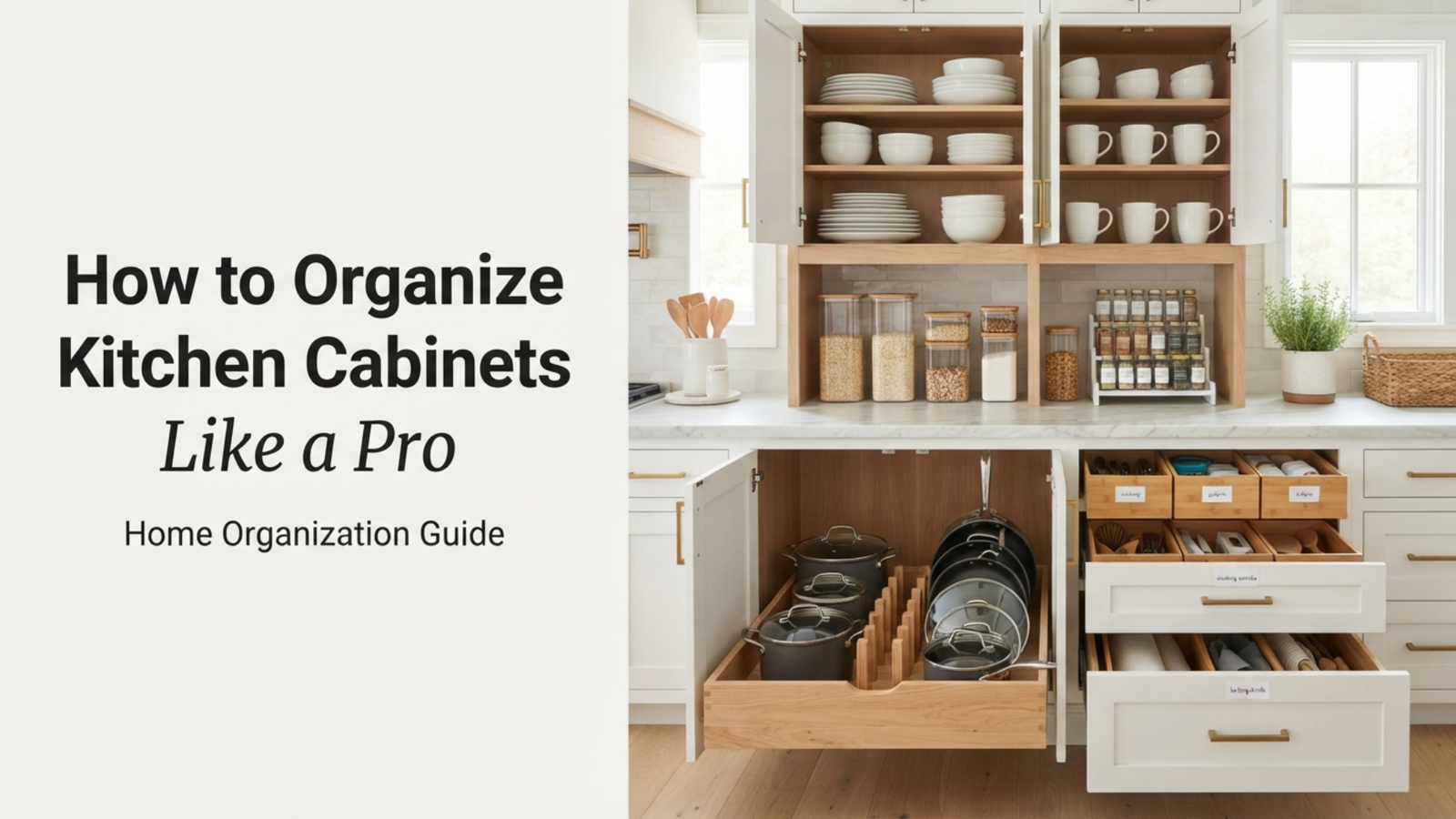
3. Add Pull-Out Pantry Drawers
Items at the back of deep pantry shelves can be hard to reach. Pull-out drawers bring everything forward and solve this problem.
They are perfect for storing:
- Canned goods
- Oils
- Spices
- Snacks
- Small domestic appliances
Pull-out systems allow you to reach every inch of your pantry.
4. Use Stackable Storage Boxes
Stackable bins help you maximise vertical space and keep similar items together.
Use bins for:
- Snack packets
- Baking supplies
- Breakfast foods
- Kids’ snacks
Grouping items into categories helps you keep track of everything in your pantry.
5. Set Up Pantry Zones
Organising your pantry into zones will save you time and prevent it from becoming a mess.
Create sections for:
- Baking Zone: Flour, sugar, baking tools, and mixes
- Breakfast Zone: Cereal, muesli, coffee, and tea
- Cooking Zone: Pasta, rice, sauces, and condiments
- Snack Zone: Chips, cookies, and treats
- Storage Zone: Bulk purchases and extra supplies
A zoned pantry works like a well-organised kitchen system.
6. Install Shelf Risers
Shelf risers give you double the storage space instantly by creating a second tier in your pantry.
They are ideal for:
- Canned food
- Spice jars
- Small containers
Shelf risers eliminate stacked items and keep everything in plain sight.
7. Employ Lazy Susans for Little Items
Lazy Susans are a great way to organise things that easily get lost.
Use rotating trays for:
- Oils
- Sauces
- Condiments
- Vinegar
- Seasonings
A quick spin gives you access to everything without moving multiple items.
8. Add Storage to Your Doors
The inside of your pantry door is a great place to store items.
Add door organisers for:
- Spice bottles
- Foil and wraps
- Small snacks
- Cleaning materials
- Kitchen utensils
This hidden storage solution can help free up shelf space.
9. Label Pantry Containers
Labels make your pantry easier to use and keep organised.
Label:
- Storage jars
- Containers
- Baskets
- Shelves
Clear labels help family members return items to the right place and avoid unnecessary searching.
10. Store Bulk Items Properly
Bulk buying is cost-effective but can lead to clutter if not properly organised.
Use:
- Large sealed containers
- Coordinating storage boxes
- Dedicated bulk storage racks
Store extra supplies separately from everyday items.
11. Use Space Vertically
Pantries aren’t always large and there may not be much floor space, so go up instead of out.
Add:
- Tall shelves
- Over-the-door hanging organisers
- Stackable containers
- Over-door shelves
Vertical storage allows you to store more without increasing your pantry space.
12. Add Rolling Pantry Trolleys
A narrow rolling cart fits into tight spaces and provides additional storage.
Use it for:
- Herbs and spices
- Baking supplies
- Snacks
- Canned food items
- Kitchen accessories
Rolling carts are especially handy in small kitchens.
13. Keep Frequently Used Items at Eye Level
Your everyday-use items should always be within easy reach.
Place the items you use most:
- At eye level
- Near the front of shelves
- In well-labelled containers
Put seasonal or seldom-used items higher or further back.
14. Maximise Storage Space for Canned Goods
Canned goods can clutter a pantry quickly.
Try:
- Can organisers
- Tiered shelving
- Rolling dispensers
These solutions allow you to view labels and use older products first.
15. Group Items Using Baskets
Baskets are an easy and attractive way to organise pantry items.
Use baskets for:
- Snacks
- Baking goods
- Breakfast foods
- Meal ingredients
They also make cleaning and rearranging much easier.
16. Maintain a Pantry Inventory
A simple inventory list prevents overbuying and reduces food waste.
Track:
- Use-by dates
- Frequently used items
- Low-stock products
You can maintain a list on paper, in a spreadsheet, or as a digital note.
17. Match Containers for a Clean Appearance
An attractive pantry often starts with matching containers.
Advantages include:
- Improved organisation
- Better storage
- A contemporary look
- Easier cleaning
A uniform design makes a small pantry look more spacious.
18. Create Easy-Access Snack Bins
Create a dedicated snack area to prevent packages from being dumped anywhere.
Use labelled boxes for:
- Chips
- Crackers
- Granola bars
- Lunchbox items
This keeps snacks organised and readily available.
19. Regularly Clear Out Expired Products
A clean pantry is one that is regularly maintained.
Every few months:
- Check use-by dates
- Discard expired products
- Give away unused items
- Rearrange shelves
A quick pantry reset keeps the system running smoothly.
20. Utilise Corner Space
Corner pantry areas can become wasted space.
Make them more accessible with:
- Corner shelving
- Rotating trays
- Pull-out units
- Custom storage solutions
The right design can make every corner useful.
Conclusion
A clutter-free pantry is about making smart storage choices and developing simple organisation habits. Little changes can make a big difference, from clear containers and labelled bins to pull-out drawers and pantry zones.
An organized pantry will save you time, reduce food waste, and make your entire kitchen a more pleasant place to use. Pick one area at a time, find storage solutions that fit your lifestyle, and design a pantry that works for you each day.