
Discover common kitchen appliance problems, their causes, simple fixes, and maintenance tips to improve performance
Kitchen tools are very important to our daily lives. These tools, like microwaves, dishwashers, electric kettles, blenders, and refrigerators and ovens, make it easier to make food, store groceries, clean dishes, and do other things around the house. But kitchen tools can break down over time, just like any other electrical or mechanical device. These issues could make them less effective, use more electricity, waste food, or need pricey repairs.
Knowing about the most common issues with kitchen appliances can help people spot problems early, find easy fixes, and figure out when they need professional help. A lot of small problems can happen because of bad use, not doing regular maintenance, clogged filters, worn parts, or electrical issues. Many of these problems can be avoided by keeping kitchen appliances clean and using them correctly. This will also make them last longer.
This article talks about the most common problems with kitchen appliances, what might be causing them, and how to stop them from happening.
Refrigerator Not Cooling Properly
Having a fridge that doesn’t keep food cold is one of the most common issues with home appliances. If a refrigerator can’t keep the right temperature, food can go bad quickly, smell bad, and people may have to spend money replacing spoiled groceries.
Cooling problems can be caused by a number of things. The fridge might not be able to get rid of heat as well if the condenser coils are dirty. If the door seals are damaged, warm air may be able to get inside the fridge, making the cooling system work harder. The cooling system may not work properly if the temperature is set wrong, air vents are blocked, the fridge is too full, or the timer is broken.
First, owners should check the temperature settings, make sure that food doesn’t get stuck in the air vents inside, and look for damage to the door seals. Also, they should clean the condenser coils that can be reached according to the manufacturer’s instructions. Leaving enough room around the fridge for air flow can help it work better.
If the fridge keeps having trouble cooling, it could be because of a broken compressor, evaporator fan, temperature monitor, or refrigerant system. Refrigeration systems have parts that should only be inspected and fixed by trained professionals.
If you’re considering replacing an old or inefficient refrigerator, use our fridge running cost calculator to explore appliance energy costs and make a more informed decision.
Keep your refrigerator at a safe temperature to protect stored food. The USDA’s refrigerator food safety guide explains recommended temperatures and safe storage practices.
The fridge is making strange noises.
As their compressors, fans, and cooling systems work, refrigerators usually make some noise. But loud buzzing, clicking, grinding, or rattling sounds that don’t go away may mean there is a problem.
The fridge might shake if the floor isn’t level. Rattling sounds can also be made by shelves, bottles, containers, or other things that are not tight enough. In other cases, a fan may hit ice or a loose part, and clicking sounds that happen over and over may mean that the compressor or its electrical parts are having trouble starting.
First, people should check to see if the fridge is level and if the items inside are shaking against each other. Also, they should make sure that the gadget doesn’t touch any nearby walls or cabinets.
A qualified technician should look at the appliance if the noise doesn’t go away, gets louder than normal, or happens at the same time as poor cooling. There is no need for homeowners to open electrical spaces or try to fix compressor parts on their own.
Leaking Water from the Refrigerator
If your fridge leaks water, it can damage the floors, cabinets, and furniture nearby. It can also make it easy to slip if people don’t fix it right away.
A clogged defrost drain, a broken water supply line, a link that isn’t tight enough, or a water filter that leaks are all common reasons for this. If the defrost drain gets clogged, melted ice may build up inside the fridge and eventually leak out onto the floor. If your fridge isn’t level, it might also drain water in the wrong way.
First, people should check to see if the water is coming from inside the fridge, under it, or from the water spigot or ice maker. According to the manufacturer’s instructions, they can check drain holes and water connections that are easy to get to. Before they look at parts that can be reached near water connections, they should turn off the power to the appliance and, if necessary, the water supply.
If the leak keeps happening or includes plumbing inside the house, a technician can find the broken part and fix it safely. Getting help right away can stop more water damage and lower the risk of mold growth.
Oven Doesn’t Heat Up Right
It can be hard to cook when the oven doesn’t reach the right temperature. It’s possible for food to stay raw, bake unevenly, or take a lot longer than planned. This issue can happen with both gas and electric ovens.
If the heating element, temperature sensor, thermostat, or control board in an electric oven is broken, the oven may not heat properly. If there is a problem with the burner or the ignition in a gas oven, it could stop the heating process. Cooking results can also be harmed by using the wrong settings or temperature for the oven.
People who own their own homes should make sure they have chosen the right cooking mode and temperature. Also, they should make sure the oven door closes properly and that racks and cooking utensils don’t get in the way of the airflow.
An oven thermometer can help you figure out if the real oven temperature is higher or lower than the temperature you chose. A qualified technician should check the appliance’s heating elements, sensors, ignition system, or electrical controls if it still doesn’t heat right.
Gas ovens need extra care because gas leaks and lighting problems can be very dangerous. It is important for people who smell gas to stay away from electricity switches and flames, leave the area, and call the local gas emergency service from a safe place.
Food Not Heating Up in Microwave
With a microwave oven, it’s easy to warm up leftovers, defrost food, and quickly make some foods. If the microwave turns on but doesn’t heat food, the issue could be with the power source, door interlock switches, control system, or heating parts inside the microwave.
First, homeowners should make sure that the appliance is getting power and that they have set the right cooking time and power level. They should make sure the door shuts properly and the turntable works properly if the model has one. A broken door seal or latch may also make it impossible to open and close normally.
If the microwave keeps running but doesn’t heat the food, a technician might need to look inside it. Microwave ovens have high-voltage parts that can keep dangerous electrical charges even after the device is unplugged.
Because of this, people should never take off the microwave’s outer cover or try to fix its electrical system from the inside. A professional repair is a safer way to figure out what’s wrong.
Dishwasher Isn’t Cleaning Dishes Right
It is important for a dishwasher to use water and detergent properly while getting rid of food residue and grease. But dishes can still be dirty after a wash cycle if the spray arms are blocked, the filters are dirty, the wrong soap was used, hard water deposits are present, or the washer is overloaded.
Food particles can build up in the dishwasher’s filter, making it harder for water to flow. Mineral buildups can block small holes in the spray arm, and dishes that aren’t put away correctly can keep water from reaching some surfaces. It can also be hard to clean if you use too much soap or the wrong kind of detergent.
Homeowners should regularly clean the filter, check the spray arms, and get rid of any food that can be seen. They should put the dishes away according to the manufacturer’s directions and make sure they don’t get in the way of the spray arms or detergent dispenser. It’s also helpful to use the recommended detergent and rinse aid to get better results.
A technician may need to look at the water inlet valve, circulation pump, heating element, or other parts inside the dishwasher if it still doesn’t work right. Maintenance can help keep cleaning working well and cut down on the need for expensive fixes.
You can also compare the energy and water use of a dishwasher with hand washing using our dishwasher vs. hand washing calculator.
Dishwasher Won’t Drain Water
If there is water at the bottom of your dishwasher, it’s likely that there is a problem with the drainage. Wastewater can’t leave the device if the filter is clogged, the drain hose is clogged, the sink connection is blocked, or the drain pump is broken.
First, people should check the filter in their dishwasher and get rid of any food that is easy to reach. They can also follow the manufacturer’s directions and look for kinks or blockages in the drain hose that can be seen. If there is a blockage in the line that links the dishwasher to a kitchen sink drain or garbage disposal, it could also affect the drainage.
Before looking at the inside, homeowners should turn off the power and read the appliance’s safety instructions. While the appliance is still plugged in, they should never touch moving parts or take apart electrical parts.
If the dishwasher keeps holding water, a technician can check the drain pump, hose, and other parts that are connected to it. Fixing things right away can help stop bad smells, leaks, and more damage.
Electric Kettle Doesn’t Heat Water
Electric kettles make it simple to boil water for coffee, tea, and other common uses. If a kettle doesn’t heat water, turns off too soon, or takes an unusually long time to boil, it could be because the heating element is broken, the power base is damaged, there is a problem with the electrical connection, or there is too much mineral buildup.
Minerals in hard water build up on the top of the kettle that heats water, making limescale. Thick deposits can make the heater less effective and affect how well it works. The kettle might not work right if the power line is broken or the connection is loose.
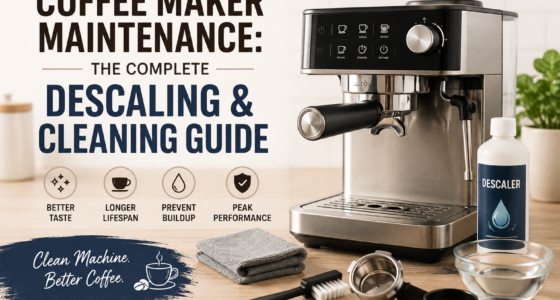
Following the manufacturer’s instructions, homeowners should descale the kettle. With the right descaling solution, many models let users get rid of mineral deposits. Also, they should look for damage on the outside of the kettle and its power base.
People should stop using the kettle if it doesn’t heat up after being cleaned, if it keeps tripping the electrical protection, or if it smells like burning. People should not put water in an electric kettle or its powered base unless the maker of the item directly says that’s how it should be cleaned.
Blender Isn’t Working Right
Blenders are useful for making smoothies, soups, sauces, and other things. Problems that happen a lot are the motor not starting, the blades not turning, the containers leaking, strange noises, and the machine getting too hot.
The container might not sit properly on the base, the lid or safety lock might not be in place, or the appliance might be too hot to start. Too much weight, thick mixes, or food pieces that are too big for the machine can put too much stress on the motor. Problems with efficiency can also be caused by worn-out blade assemblies or broken seals.
Homeowners should look at the container’s manufacturer’s instructions to make sure it fits properly. The blades can move more easily if the ingredients are broken up into smaller pieces and the right amount of liquid is added. They shouldn’t fill the blender up past its suggested level, and if the appliance’s overheating protection feature goes off, they should let the motor cool down.
People should stop their blenders before they clean or check the blades. They should never open the container while the appliance is still plugged in. If the motor keeps getting too hot, smells like burning, or keeps making grinding noises, it may need to be fixed or replaced by an expert.
Food processor stops working while it’s running
It’s easier to chop, slice, grate, and mix things when you have a food processor. But some models may stop working without warning if they are overloaded or if ingredients are processed that put too much stress on the motor.
If the bowl or lid has not been properly locked into place, the food processor may also stop. Similar problems can be caused by a blocked blade assembly, an overheating safety, or an electrical part that doesn’t work right.
Before taking food out of the appliance or checking how it’s put together, homeowners should turn it off and unplug it. They should stick to the recommended weight limits and cut hard ingredients into pieces that are the right size. If the motor gets too hot, they should follow the manufacturer’s instructions and let it cool down before trying again.
Stopping often, smelling like electricity, or hearing strange grinding sounds could be signs of a more serious problem. People should stop using the appliance and get help from a professional in these situations.
Range Hood Doesn’t Get Rid of Smoke and Smells
A kitchen range fan clears the cooking area of smoke, steam, grease, and smells of food. If it doesn’t work right, the kitchen might stay smokey, greasy, or uncomfortable while meals are being made.
An obstructed grease filter can stop air from moving through it, which can make extraction less effective. In models with charcoal filters that can be changed, a filter that is too full may not be able to control smells as well. A dirty fan, a clogged duct, or a motor that doesn’t work right can also stop air flow.
Homeowners should follow the manufacturer’s instructions for cleaning washable grease filters and change disposable or charcoal filters when they get dirty. Also, they should make sure that the air path under the hood is still clear.
A technician may need to look at the motor, controls, or ductwork if the fan doesn’t work, makes strange noises, or doesn’t move much air even though the filters are clean. Good ventilation helps clean the air inside and gets rid of the moisture that is made when you cook.
The gas stove burner isn’t lighting.
Gas stoves make it easy to control the heat, but the burners don’t always light or make the flames uneven. These problems can be caused by food residue, moisture, clogged burner holes, broken ignition wires, or issues with the gas supply.
People should turn off the burner and let it cool down before cleaning any parts of the burner that can be reached. To get rid of food scraps and make sure the burner caps fit properly, they should follow the manufacturer’s instructions. Before the homeowner can use the stove again, the parts must be completely dry after being cleaned.
A qualified technician should look at the appliance if a burner fails to light on more than one occasion, makes a strange flame, or keeps clicking after it does light.
Extra care needs to be taken with gas safety. People who smell gas shouldn’t try to light the burner or flip the electrical switches. They should leave the area and call the right gas emergency service from somewhere safe.
Cookware Not Detected by Induction Cooktop
Induction cooktops heat equipment that is compatible with them using electromagnetic energy. If the cooktop doesn’t recognize a pan, it might show an error message, refuse to heat, or turn off by itself.
Cookware that doesn’t work together is a common cause. Pans with a magnetic base must be used with induction cooktops. If the cookware is too small, not in the right place, or not right for the cooking zone, the heating system might not work.
Homeowners should check the appliance manual and make sure the cookware works with induction. Also, they should make sure the pan is sitting properly on the cooking area and that the surface of the stove stays clean and dry.
If compatible cookware still doesn’t work, the issue could be with the cooktop’s sensors, controls, or electronic parts inside. Instead of trying to open the appliance’s electrical housing, a qualified technician should check it out.
Extraordinary use of electricity
A sudden rise in electricity use could mean that an appliance isn’t working as efficiently as it should, that family habits are changing, or that a fault is starting to form. When the weather is bad, kitchen appliances like refrigerators, freezers, ovens, dishwashers, and more can use more electricity.
The cooling system may have to work harder if the refrigerator’s condenser coils are dirty, the door locks are broken, or there isn’t enough air flow. People who use an electric kettle too often may waste energy when they boil more water than they need. In the same way, a dishwasher with clogged filters might not be able to clean items well.
Homeowners should look at their most recent electricity bills, think about how often they use their appliances, and check their equipment for obvious signs of wear and tear. They can also look at the energy ratings given by the manufacturer and use an energy monitor that works with certain appliances to find out how much energy they use.
A qualified technician or electrician can help you figure out what’s wrong if your electricity use goes up without warning despite normal habits and regular maintenance. Homeowners should never look into their own exposed wires or broken electrical parts.
To understand how much your kitchen appliances add to your electricity bill, use our appliance energy cost calculator to estimate their running costs.
If an appliance leaks water or starts to condense,
Several kitchen appliances can be damaged by water leaks, such as refrigerators, dishwashers, washing machines that are close to the kitchen, and coffee machines that are connected to water. Also, too much condensation can form around fridges and other cold objects.
Leaks can be caused by loose connections, worn seals, clogged drains, cracked hoses, or installing things the wrong way. Condensation can be caused by high humidity inside, opening the fridge door a lot, or broken seals.
Homeowners should look for damage in the hoses and seals that can be reached and see if water builds up around the device when it’s being used normally. They should also make sure the device is level and that the doors close properly.
If there is a leak near the electrical connections, people should not touch the wet appliance or water that is standing still. If possible, they should cut off the power from a safe place and call a qualified expert. Fixing leaks quickly can help keep cabinets, floors, and nearby electrical equipment from getting damaged.
A device that trips the circuit breaker
If a kitchen appliance keeps tripping the circuit breaker, it could be because of a broken power cord, an internal short circuit, or a problem with the heating element. The electrical circuit may not have enough power for all the machines that are using it at the same time.
People should stop using the appliance if it keeps tripping the breaker, smells like burning, sparks, or makes the plug or socket get very hot. They shouldn’t keep resetting the breaker without figuring out why it keeps going off.
The circuit, wiring, socket, and safety devices can be checked by a qualified electrician. An appliance expert can look inside the machine to see if there are any problems. Ovens, kettles, and cleaners use a lot of power, so these checks are especially important for them.
People should not use extension cords that are damaged or plug in multiple high-power appliances to an outlet that isn’t right for them. The risk of electric shock and fire is lower when the right electrical protection is used and the installation is done correctly.
How to Keep Common Kitchen Appliance Issues from Happening
Many problems with kitchen appliances can be avoided with regular maintenance, which also makes the equipment work better. Homeowners should clean their appliances according to the instructions that came with them, quickly remove any food residue, and check any filters, seals, or ventilation holes that are easy to reach.
Also, they should follow the directions that come with each item. Too many things in a blender, fridge air vents, induction cooking that doesn’t work with each other, or too many dishes in a dishwasher can slow it down or make it wear out faster.
It’s also important to install things correctly. Refrigerators need to have enough air flow, ovens need to have the right electrical or gas connections, and dishwashers need to have their water supply and drainage systems set up correctly. When homeowners need work done on their electrical wiring, gas connections, or specialized plumbing, they should only hire trained installers.
Users guides and warranty details should also be kept somewhere safe. These files have troubleshooting guides, maintenance schedules, and information about approved replacement parts for each model. Fixing small problems as soon as they come up can keep bigger problems from happening and lower the cost of repairs.
For more practical advice on selecting reliable appliances, read our complete kitchen and household appliance buying guide.
When to Fix or Get a New Kitchen Appliance
Not all appliance problems need to be fixed by getting a new one. If the filter in your dishwasher is clogged, the door seal is worn, or the coil in your refrigerator is dirty, it may only need basic upkeep or a quick, cheap fix. But if it breaks down often, costs a lot to replace parts, doesn’t use energy well, or there aren’t any spare parts available, replacement may be the better option.
Homeowners should compare how much they think it will cost to fix an appliance with how much a good replacement costs. They should also think about how old the device is, how long it’s expected to last, how much electricity it uses, whether it’s covered by the warranty, and how likely it is that it will need more repairs.
An older fridge that uses too much electricity might cost more to run than a newer fridge that uses less energy. But it might not be worth it to buy a new device just to fix a small, cheap problem with an old one.
When making a choice, safety should always come first. Appliances that have broken wiring, frequent electrical problems, gas leaks, or serious overheating need to be fixed right away. People who own their own homes should stop using dangerous tools and get professional help before deciding whether to fix or replace them.
In conclusion
Common problems can affect how well kitchen appliances work, how safe they are, how much energy they use, and how reliable they are. Because of poor maintenance or broken parts, refrigerators may not cool properly, ovens may heat unevenly, dishwashers may leave dishes dirty, and electric kettles or blenders may stop working.
Many of these problems can be avoided by regularly cleaning appliances, following the manufacturer’s instructions, not overloading them, checking the seals and filters that can be reached, and scheduling professional maintenance when needed. They should also be able to spot danger signs like strange noises, leaks that won’t go away, burning smells, circuit breakers that keep tripping, and poor performance.
Some small problems can be fixed with regular maintenance, but gas systems, high-voltage parts, internal wiring, and specialized mechanical parts should only be fixed by trained professionals. Quick repairs can stop more damage, cut down on costs, and make an appliance last longer.
In the end, knowing about common issues with kitchen appliances helps people make smart choices, keep their kitchens safer, and get more use out of their appliances. Kitchen tools can work well for many years if they are well taken care of, used responsibly, and fixed by a professional when needed.