Simple maintenance, regular cleaning, proper usage, and expert advice can extend appliance lifespan and reduce repairs and enhance efficiency
Home appliances help with cooking, cleaning, laundry, storing food, and other important tasks, making daily life easier. However, buying new appliances can be pricey, especially if several of them break down at the same time. The good news is that taking good care of your appliances, cleaning them regularly, and using them properly can help them last longer and save you money on repairs that aren’t necessary. If you’re planning to replace an older unit, see our complete guide to choosing kitchen and household appliances.
No matter what kind of appliance you use—a fridge, washer, dishwasher, oven, or microwave—a few easy maintenance tips can help it last for years. It can also help you spot problems before they get too bad if you know how to take care of each device.
Why Appliance Maintenance Matters
Regular repair on appliances helps keep them running well and stops them from breaking down when they don’t need to. Over time, dust, grease, mineral deposits, and general wear and tear can change how home equipment work. Appliances may use more energy, make strange noises, or need expensive repairs if these problems are not fixed.
Taking care of your appliances is another way to protect your money. Instead of waiting for something to break down, you can fix small problems early with regular checks and cleaning. Maintenance can’t stop all problems, but it can keep many home machines from having to work too hard.
Clean Your Appliances Regularly
One of the easiest ways to make machines last longer is to keep them clean. Grease and food leftovers can stop ventilation holes from working properly, and dust and dirt can block them. Appliances work better and are easier to spot when they’re broken when they’re cleaned regularly.
For instance, the coils and ventilation areas of a refrigerator should be checked according to the instructions from the manufacturer. Cleaning the detergent drawers, door seals, and drums of your washing machine will keep them free of residue and bad smells. Also, you should clean your ovens and microwaves often so that grease and food don’t build up.
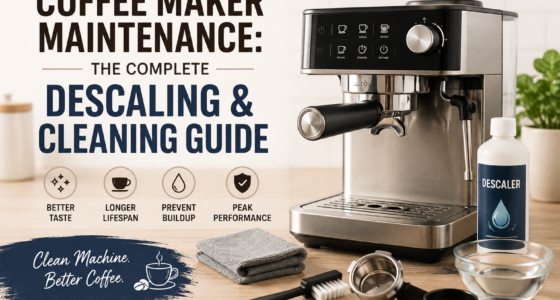
Always clean the appliance with products that are safe for the materials it’s made of and do what the maker says. . For example, follow this guide to coffee maker maintenance and descaling when caring for a coffee machine. Do not use rough tools or too much water near electrical parts, as they can damage them.
Keep Your Refrigerator in Good Condition
Since refrigerators are always running, it’s very important to keep them in good shape. Clean the inside, check the door seals often, and make sure the doors close tightly. When seals get damaged, cold air can escape, making the fridge work harder to keep its temperature.
Don’t put hot food right into the fridge, and make sure there is enough space around stored items for air to flow. Check the user manual for the recommended temperature settings and make sure the shelves aren’t too full in a way that makes it hard for air to flow.
If you can get to your fridge’s condenser coils, clean them the way the maker tells you to. Listen out for strange noises, too much frost, water leaks, or cooling that doesn’t seem to be working right. Taking care of these warning signs right away can help keep problems from getting worse.
Use Your Washing Machine Correctly
When washing machines are overloaded or used incorrectly, they can wear out faster than they need to. Follow the load capacity guidelines and make sure the clothes are spread out properly inside the drum. When you overload, the motor, bearings, chassis, and other parts may be put under more stress.
Make sure you use the right amount and kind of detergent for your machine. Too much detergent can leave behind residue in the drum and detergent drawer, and using the wrong products can make cleaning less effective. If the maker says you can, leave the door or lid open after washing. This will let the inside dry and prevent smells from developing.
Check the water hoses and connections for cracks, leaks, and other signs of wear and tear every so often. Follow the directions to clean the filter, and if you can, use the suggested maintenance cycle. If the machine starts making strange noises or vibrating too much, you should look into what’s wrong instead of continuing to use it without checking.
Maintain Your Dishwasher
When the filters, spray arms, and inside surfaces of the dishwasher are clean, they work better. Food particles can build up in the filter and make it hard for water to drain, and clogged spray-arm holes can make cleaning less effective.
Follow the manufacturer’s instructions to clean out the filter of food particles, and look for blockages in the spray arms. Use detergent that is made for your dishwasher and pick a cycle that works for the load. Do not put things in the machine that are not safe for it.
Check the seal on the door and look for leaks around the appliance. If the dishes stay dirty, the water doesn’t drain right, or strange smells keep coming back, cleaning the affected parts might help. If the problems keep happening, it might be time for a professional inspection.
Protect Your Oven and Microwave
Ovens and microwaves work better when they are clean and used carefully. Food spills, grease, and burned-on residue can slow things down and make them smell bad. Follow the cleaning instructions that came with these appliances.
Do not slam oven doors shut or put too much weight on doors that are open. Make sure the door hinges and seals are still in good shape. Seals that are broken can make cooking less effective. When using a microwave, make sure the containers are safe for the heat and don’t use the microwave when it’s empty.
You should never put metal containers or tools in a microwave unless the maker of the microwave says it is safe to do so. If you see sparks, smell burning, see damaged cords, or notice any other strange behavior, stop using the appliance and get it checked out.
Avoid Overloading Electrical Circuits
Electrical problems can break things and put people in danger. Make sure that the machines are plugged into the right outlets and that the amount of power they need matches the supply. Do not overload plugs or extension cords, especially when using appliances that use a lot of power.
If the maker says you need a dedicated circuit or certain electrical protection, do what they say. When it makes sense, use surge protection with the right rating. However, keep in mind that surge protectors do not stop all types of electrical faults.
If an appliance keeps tripping a circuit breaker, giving off a burning smell, or making an outlet get unusually hot, you should stop using it and call a qualified electrician or appliance technician. Do not try to fix electricity problems unless you are qualified to do so.
Give Appliances Proper Ventilation
Many appliances make heat while they’re working, and they need enough room to breathe. Putting them too close to closets, walls, or other equipment can stop air from moving through them, which can make the temperature rise.
Follow the installation guidelines given in the user guide. Keep dust, cloth, stored items, and other things that could get in the way of air flow away from ventilation holes. This is very important for fridges, freezers, dryers, and other machines that give off heat while they work.
Having enough air flow can help appliances work the way they were meant to and keep their parts from being stressed out more than they need to be.
Follow the Manufacturer’s Instructions
Each device has its own set of rules for how to use and take care of it. You can learn about the recommended settings, cleaning methods, load limits, and maintenance schedules by reading the user manual.
Make sure you use the right filters, detergents, extra parts, and accessories for your model. Do not make changes that the maker does not approve of because they could affect safety, performance, or the warranty.
Keep service records, warranty information, and receipts for things you’ve bought in a safe place. You may find these papers useful when setting up repairs or making sure that a certain issue is covered.
Address Small Problems Early
If you don’t fix small device problems, they can sometimes turn into bigger, more expensive ones. A small leak, strange vibrations, temperature changes, or a change in the noise made by the machine may be signs that something needs to be fixed.
If the performance changes, pay attention and look at the user manual if error codes or warning lights show up. If simple troubleshooting doesn’t fix the problem, you should call a trained technician.
Do not restart an appliance over and over again if it shows signs of electrical damage, overheating, or a serious mechanical problem. If you keep using an item that isn’t working right, you might hurt yourself or cause more damage.
Schedule Regular Appliance Inspections
Some maintenance chores should be done on a regular basis instead of only when something goes wrong. The maker will tell you how often to check the hoses, seals, filters, vents, and electrical cords that are easy to reach. Appliances that are used a lot might need to be fixed more often.
A professional service can also help with appliances that have complicated cooling, electrical, or mechanical systems. For example, regular upkeep can help coffee machines last longer; see our Keurig maintenance schedule for a practical cleaning routine A trained technician can check parts that are hard to get to safely and find wear that might not be obvious when the car is being used every day.
Keep a simple record of when you clean, service, repair, and replace the filter. This makes it easier to stick to maintenance plans and spot problems that keep happening.
Know When to Repair or Replace an Appliance
Appliances wear out over time, even if they are well taken care of. When an appliance breaks down, you should think about how old it is, how bad it is, how much it costs to fix, how much energy it uses, and how long you think it will last before you decide to replace it.
If the appliance is in good shape other than the repair, it may be worth it to do it. But if an older appliance keeps breaking down or needs a big repair, it might be better to get a new one. The long-term cost of a better replacement should be compared to the total cost of repairs that need to be done over and over again.
First and foremost, safety. Before they are used again, appliances that have serious electrical damage, structural damage, or repeated serious faults should be checked out by a qualified professional.
Common Mistakes That Shorten Appliance Lifespan
A lot of appliance problems are caused by habits that don’t seem dangerous at first. Putting too much in washing machines, not letting refrigerators breathe, using the wrong cleaning products, and ignoring small leaks can all cause wear that isn’t necessary.
Another common mistake is trying to fix things without the right tools or understanding. Opening electrical parts or taking apart complicated appliances can put people in danger and cause more damage. When a repair goes beyond basic maintenance, it is best to follow the manufacturer’s instructions or get help from a professional.
It can also be harder to figure out what’s wrong when people don’t clean regularly and ignore warning signs. Most of the time, taking care of an appliance regularly works better than waiting until it breaks.
Conclusion
Simple, consistent habits can help extend the life of your appliances. Home tools can last longer if they are cleaned regularly, used correctly, have enough air flow, are electrically safe, and are serviced on time. You can also estimate running costs with Cozival’s appliance energy cost calculator.
Because every appliance is different, it’s important to follow the manufacturer’s directions. You can avoid breakdowns and make better decisions about appliance replacement if you pay attention to changes that don’t seem right, take care of small problems right away, and schedule professional repairs when they’re needed.
Even though nothing lasts forever, taking care of your home appliances can help you get more use out of them and keep your home running smoothly.