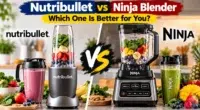
Compare Ninja Blender vs Vitamix for blending performance, price, durability, and features to find the best blender for your kitchen.
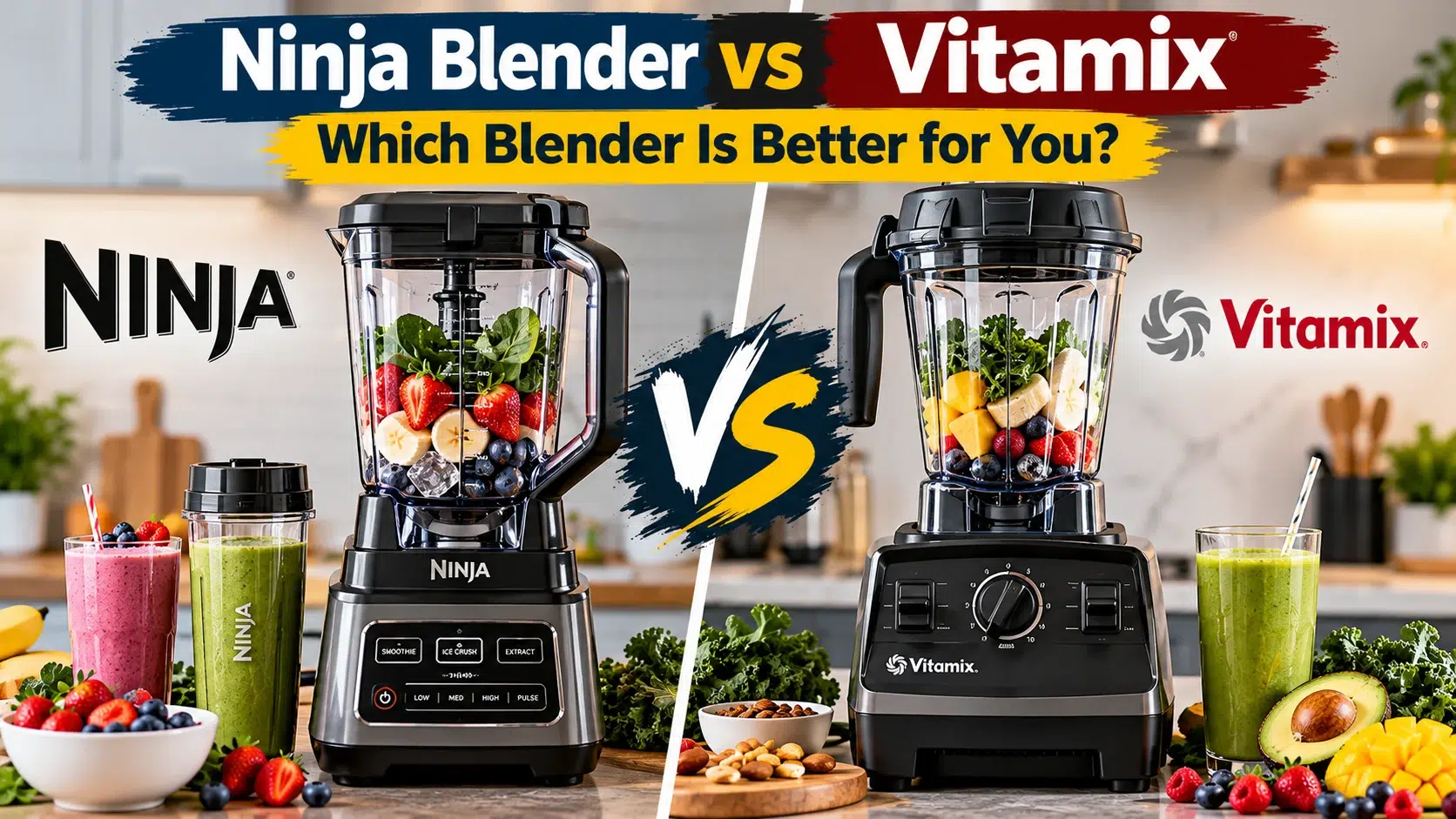
It can be hard to decide between Ninja and Vitamix when you need a reliable blender for your kitchen. Both brands make blenders that can make smoothies, crush ice, blend cold foods, and do other everyday kitchen tasks. They are different, though, in terms of price, performance, durability, features, and how easy they are to use. If you know about these differences, you can pick the blender that fits your price and the way you cook best.
What Is a Ninja Blender?
Ninja is a well-known brand of kitchen appliances that is known for making customizable blenders at a variety of price points. Personal blenders, countertop blenders, and systems that blend and do other food preparation tasks are some of the things that the company sells.
One great thing about Ninja blenders is that they can be used for many different things. Different models can make different kinds of drinks, such as smoothies, protein shakes, frozen drinks, sauces, dips, and other recipes. A lot of them have strong motors, more than one speed setting, and special programs that make everyday blending easier.
If you want useful features without spending a lot of money on a high-end device, Ninja blenders are a great choice. Some models come with large pitchers, personal blending cups, and other add-ons that make it easier to make drinks for one person or a whole family.
One more benefit is that there are many models to choose from. People can buy a small blender for making smoothies every day or a bigger one for making more than one serving. It is important to compare specifications before buying, though, because blending performance, accessories, and functions change a lot from model to model.
What Is a Vitamix Blender?
Vitamix is a high-end blender brand known for making powerful countertop blenders. Blending smoothies, soups, sauces, nut butters, frozen desserts, and other recipes that need constant blending is what its machines are made to do.
One of the best things about Vitamix is how well it blends. Many models are made to handle tough ingredients and make smooth textures, which is why people who often make smoothies, whole-food recipes, and homemade sauces like them.
Most Vitamix blenders are built to last and have powerful blending systems and speed controls that can be changed. Users may also get pre-set programs, pulse functions, and containers that are made to do certain things, depending on the model.
Another reason many buyers think about Vitamix is that it lasts a long time. These blenders are usually in the high-end market, and their price reflects how well they work and what features they have. What kind of warranty, accessories, and features it has depend on the model.
Many people who use blenders often may find the Vitamix to be a good buy. It may not be worth the higher price, though, for someone who only makes smoothies or protein shakes once in a while.
Ninja Blender vs Vitamix: Main Differences
Ninja and Vitamix both make blenders that can do a lot of different things, but they are aimed at different price ranges and types of users. Ninja focuses on offering a wide range of blender styles at prices that are easy for most people to afford. Vitamix puts more emphasis on high-end blending performance, construction, and consistent results across a wide range of difficult recipes.
Ninja is often a good choice for people on a budget who want to make smoothies, crush ice, make sauces, and do other common cooking tasks. A lot of models come with useful extras and features and don’t cost too much.
Vitamix is usually better for people who blend things a lot or who want to make recipes that need a very smooth and uniform texture. Home cooks who want a blender that can handle a lot of different items may like its high-end models.
Neither brand is better than the other, though, in every kitchen. What model is best for you depends on how often you blend, what ingredients you use, and how much money you have to spend.
Blending Performance and Smoothie Quality
One of the most important things to look at when comparing Ninja and Vitamix is how well they blend. Both brands have models that can make smoothies, but the results will depend on the motor, the blades, the container shape, the ingredients, and the settings for blending.
Smoothies made with fruit, yogurt, milk, protein powder, and other popular foods can be made well in a Ninja blender. Many models can also handle frozen fruit and ice, which means they can be used to make cold drinks and smoothie bowls if their model supports it.
It is known that Vitamix blenders can make smooth blends, even when using fibrous vegetables, seeds, frozen ingredients, or other difficult foods. Their speed controls let users change the blending process to get the consistency they want.
An appropriate Ninja model might work very well for making simple fruit smoothies and protein shakes without costing a lot. If you often blend leafy veggies, fibrous ingredients, or complicated recipes, a similar Vitamix model might give you more control and better texture.
It is more useful to compare specific models than to compare brands as a whole. The quality of the blending is not just based on motor power; blade design, container geometry, and general engineering are also very important.
Ice Crushing and Frozen Ingredients
If you often make frozen drinks, smoothies, or sweets that need to be kept cool, you should pay attention to how well your ice-crushing machine works.
A lot of Ninja blenders are made to break up ice and blend frozen foods. Some models have special blade assemblies or automatic programs that are made for making frozen drinks and recipes with ice. People who make a lot of slushies, smoothies, or frozen drinks may find these features useful.
If you follow the manufacturer’s directions, Vitamix blenders can also handle ice and frozen foods. Their blending systems are made to work with a lot of different recipes, like frozen desserts and thick mixtures.
The model, amount of ice, amount of liquid, and preparation method all affect the results. Some blenders work better when the ingredients are added in a certain order or when there is enough liquid to help the ingredients move around.
Before you buy either brand, make sure you know which model is best for breaking up ice and mixing frozen foods. If frozen drinks are an important part of your routine, don’t just trust the motor power that is advertised. Look for details that have been confirmed to show how well the machine works.
Motor Power and Blending Technology
When you compare blenders, motor speed is often brought up, but it shouldn’t be the only thing you think about. It’s not always true that a blender with a higher advertized wattage will make things smoother or last longer.
Ninja makes models with a range of motor sizes and blade systems. Some are made for small amounts of drinks, while others are made for bigger batches and tougher kitchen jobs. What you plan to blend most of the time will help you choose the right type.
Vitamix has a number of different motor styles and blending systems as well. A lot of them have variable speed controls and container designs that are meant to keep the ingredients moving smoothly. This can help when making thick mixtures or recipes that need precise control over the texture.
When comparing specs, you should look at the motor power, blade design, container size, speed controls, programs that are available, and how the manufacturer suggests the machine should be used. All of these things give you a better idea of how well a blender will work in your kitchen.
Price and Overall Value
One big difference between Ninja and Vitamix is the price. Ninja usually has more affordable choices, while Vitamix is known as a high-end brand.
If you want an affordable appliance for making smoothies, shakes, sauces, and sometimes cooking food, a Ninja blender might be the best choice. Depending on the model, the box may come with more than one container, personal cups, lids, or other useful extras.
Most of the time, Vitamix blenders cost more to buy at first. People pay a lot for a product that combines performance, build quality, features, and the brand’s high-end positioning. If the mixer always meets their needs, the extra cost may be worth it for people who use it a lot.
But the best value will depend on how you use it. If you only use your blender a few times a month, it might not be worth it to spend more on a high-end one. But someone who blends every day might care more about how well it works, how long it lasts, and how we can use it in the future.
Check out how much the exact types you are thinking about cost right now. Instead of just looking at the price, you should also think about how much the accessories, replacement containers, and insurance cover cost.
Durability and Build Quality
When you buy a blender that you plan to use often, durability is important. There are different models from Ninja and Vitamix, and they are made of different materials and come with different warranties.
Ninja blenders can be useful for everyday use around the house. Their designs usually focus on making them flexible and easy to use. However, the motor, container, blade assembly, and accessories’ durability varies by model and how well they are taken care of.
Many people think of Vitamix when they think of high-quality construction and high-performance blending equipment. People who plan to use a blender a lot and want an appliance that can handle tough recipes often look at its goods.
Still, every blender can get worn down or broken. If you overload the container, use the wrong ingredients, don’t follow the maintenance instructions, or run the machine wrong, it can shorten its life.
Before you buy, look over the model’s guarantee terms to make sure they cover the motor, the container, and other parts. When looking at long-term ownership costs, it can be helpful to have a clear warranty and be able to get new parts.
Ease of Use and Cleaning
If you plan to use your blender every day, it should be easy to take apart and clean.
Ninja has a variety of styles, such as personal blenders with cups that can be carried around and countertop models with bigger pitchers. Some models come with simple controls and pre-set programs that make everyday tasks easier. How it’s cleaned depends on the container, the blade assembly, and any extra parts that came with it.
Vitamix blenders also have settings that are easy to use, though the way they are set up varies from model to model. A lot of models have speed settings that can be changed so that users can directly change the level of blending. Some models also come with pre-set programs that make certain jobs easier.
Both brands have different cleaning needs. Some containers and parts that can be taken off can go in the dishwasher, but others need to be washed by hand or with special care. As long as the manufacturer’s instructions say it’s okay, you can clean many blenders by mixing warm water with a little dish soap.
If ease of use is important to you, think about how simple it is to take out the container, clean around the blades, put the extra parts away, and get the blender ready for the next use.
Noise Level and Kitchen Space
A blender’s noise level and counter space are also things you should think about before buying it. When running at high speeds, especially when crushing ice or processing frozen ingredients, both the Ninja and the Vitamix can make noise that you can hear.
The noise level varies on the motor, the type of blade, the ingredients, the speed setting, and the surface of the counter. It’s hard to say which brand is quieter overall because each brand has a lot of different types.
If you live in a small apartment or like to make smoothies early in the morning, read reviews that talk about how loud the model you are thinking about is.
Space in the kitchen is also very important. Personal Ninja blenders might be useful for kitchens that aren’t very big, but bigger countertop systems need more space to store them. Different types of Vitamix also have different heights and footprints, so make sure you know what they are before you put one under your kitchen cabinets.
Make sure there is enough space to remove the container, add the ingredients, and clean the machine without any problems.
Which Blender Is Better for Your Needs?
Ninja might be a better choice if you want a cheap blender for making smoothies, protein shakes, frozen drinks, and simple meals. It has a lot of models, so it’s easy to find one that fits your budget and kitchen size.
Vitamix might be better if you blend a lot, care most about smooth textures, and need a high-end machine for difficult recipes. People who make green smoothies, sauces, nut butters, and other mixtures that benefit from being blended consistently may really like it.
The choice should also take your cash into account. If you only need a reliable mixer once in a while, a Ninja model might be just what you need. It might be worth it to buy a Vitamix if blending is an important part of your daily cooking routine.
Before buying, you should look at the different types, their container sizes, motor specs, warranty terms, the accessories that come with them, and the prices that are available right now. These information will assist you in making a better choice.
Conclusion
Which one you should get relies on your budget, how often you blend, and your needs. Ninja is a good choice for people who want a cheaper option with a lot of different features and easy everyday blending. People who want top-notch performance, consistent texture, and a lot of use should think about getting a Vitamix.
There isn’t a single best brand for everyone. A good Ninja blender might be enough for making smoothies and shakes on a regular basis. On the other hand, a Vitamix might be a better choice for people who use their blender for a wider range of difficult recipes.
You can find the best blender for your kitchen and way of life by comparing exact models and taking performance, price, durability, cleaning, and features into account.