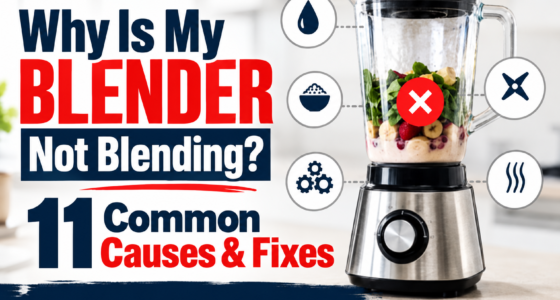
In any cooking store, you can find blenders that cost anywhere from $30 to $600. That’s a huge price range for something that basically just spins blades to puree food. So what are you paying more for, and does it change the way you cook?
What You’re Paying For
Motor power and torque. Cheap blenders often have trouble processing ice, frozen fruit, or fibrous veggies, leaving behind chunks or getting too hot. Commercial-grade motors (often 2+ horsepower) in high-end types like Vitamix and Blendtec can handle anything without stopping.
Build quality and lifespan. A lot of cheap blenders break down in the first year or two: the motors burn out, the blades get dull, and the plastic housings crack. High-end models are made to last for years of daily use, and some come with guarantees that last for 5 to 10 years.
Consistency and texture. This is what really sets them apart. More expensive blenders really do make things smoother—no more chunky drinks or stringy soup. You know the difference if you’ve ever bit into a cheap blender drink and found kale fibers inside.
Versatility. A lot of high-end blenders can also be used to process food, make ice cream, make soup (using friction heat), and grind flour. That can take the place of a number of other tools.
Noise and vibration. When you blend first thing in the morning, cheaper blenders can be annoying because they are louder and shake more on the counter.
When the Expensive Option Makes Sense
- You blend daily (smoothies, protein shakes, soups)
- You regularly use ice, frozen fruit, or tough ingredients like nuts and seeds
- You want one appliance to replace several
- You value texture and are picky about consistency
- You cook for a household and put the appliance through heavy use
When It Doesn’t
- You blend occasionally — a few times a month
- You mostly make simple things: smoothies with soft fruit, sauces, dips
- Budget is tight and a $40-80 mid-range blender meets your needs fine
- You don’t mind stopping to scrape down the sides occasionally
The Middle Ground
You can pick any amount between $30 and $500. Ninja, Oster, and KitchenAid are some mid-range brands ($60–150) that have good motors and blades that are good enough for 90% of home use. People who mix often but aren’t professionals will often find these to be the best value.
Bottom Line
If you make smoothies, ice, frozen foods, and other things every day, or if you want to combine several cooking appliances into one, then an expensive blender is worth the money. A mid-range model will do the job for a reasonable price if you only need to blend things once in a while and don’t need anything fancy. You probably won’t notice a big difference in the results you get every day.