Best Espresso Machines for Beginners
Pressure gages, portafilters, tamping, and steam wands can make it seem hard to start making espresso at home. The good news is that you don’t need a $2,000 pro setup to make a great shot. You need a machine that is easy to learn on but doesn’t skimp on features to the point where it can’t make a good espresso.
What to Look for as a Beginner
Semi-automatic over fully manual. Semi-automatic machines take care of the temperature and water pressure, so you can learn how to adjust the grind size, dose, and tamping, which are the things that change the flavor. When you know what you’re doing, fully manual lever machines are fun, but they’re hard to learn on your first try.
Built-in pressure gauge. If the gage says you’re in the right extraction range, you can figure out what’s wrong. For example, if the shot is too fast, the grind is probably too coarse, and if it’s too slow, it’s probably too small.
A steam wand, even a basic one. If you want to make lattes or cappuccinos, find a wand that you can use to practice making milk foamy. It doesn’t have to be commercial-grade, but a weak one makes it very hard to learn how to do latte art..
Removable water tank and easy cleaning. Starters make a lot of practice shots. People will use a machine less if it’s hard to clean or refill.
Good Beginner Picks
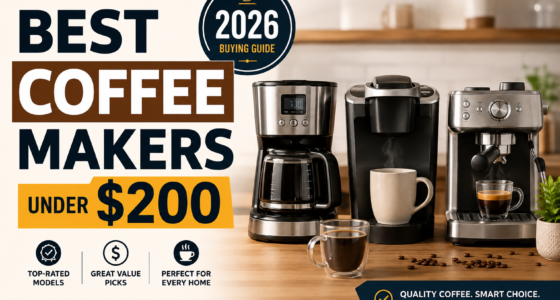
If you’re ready to spend a bit more for a machine that removes some of the guesswork, a couple of standouts from cozival’s guide to the best espresso machines under $1,000 are worth a look:
- Breville Barista Express Impress: This machine was made with beginners in mind. It has a built-in grinder and PID temperature control for consistency, as well as an assisted tamping system that helps you get even puck compression without having to practice.
- Breville Bambino Plus + a separate burr grinder a small choice that heats up quickly if you’d rather use a simple machine with a dedicated grinder.
A $150–$300 entry-level semi-automatic machine (without a built-in grinder) is also a good place to start because it’s cheaper and you can use it while you decide if drinking espresso every day is something you’ll do.
Should You Get a Built-In Grinder?
Coffee that has already been ground goes bad quickly and doesn’t always have the right grind consistency for espresso. If you can afford it, a separate burr grinder (even a simple one) will make your shots better than almost any other upgrade, even a more expensive one. If money is tight, buy the grinder instead of the machine.
A Simple Path for Beginners
- Start with a reliable semi-automatic machine
- Pair it with a burr grinder rather than pre-ground coffee
- Practice dialing in grind size before worrying about latte art or milk texturing
- Once you’re getting steady shots, you should decide whether to get a better separate grinder, a machine with a built-in grinder and PID control, or both.
Bottom Line
It’s not the flashiest espresso machine that’s best for beginners. What’s best is one that lets you practice the basics (grind, dose, tamp) without having to deal with pressure issues or a stick that won’t foam milk. If you get that right first, you’ll know what to improve to next.