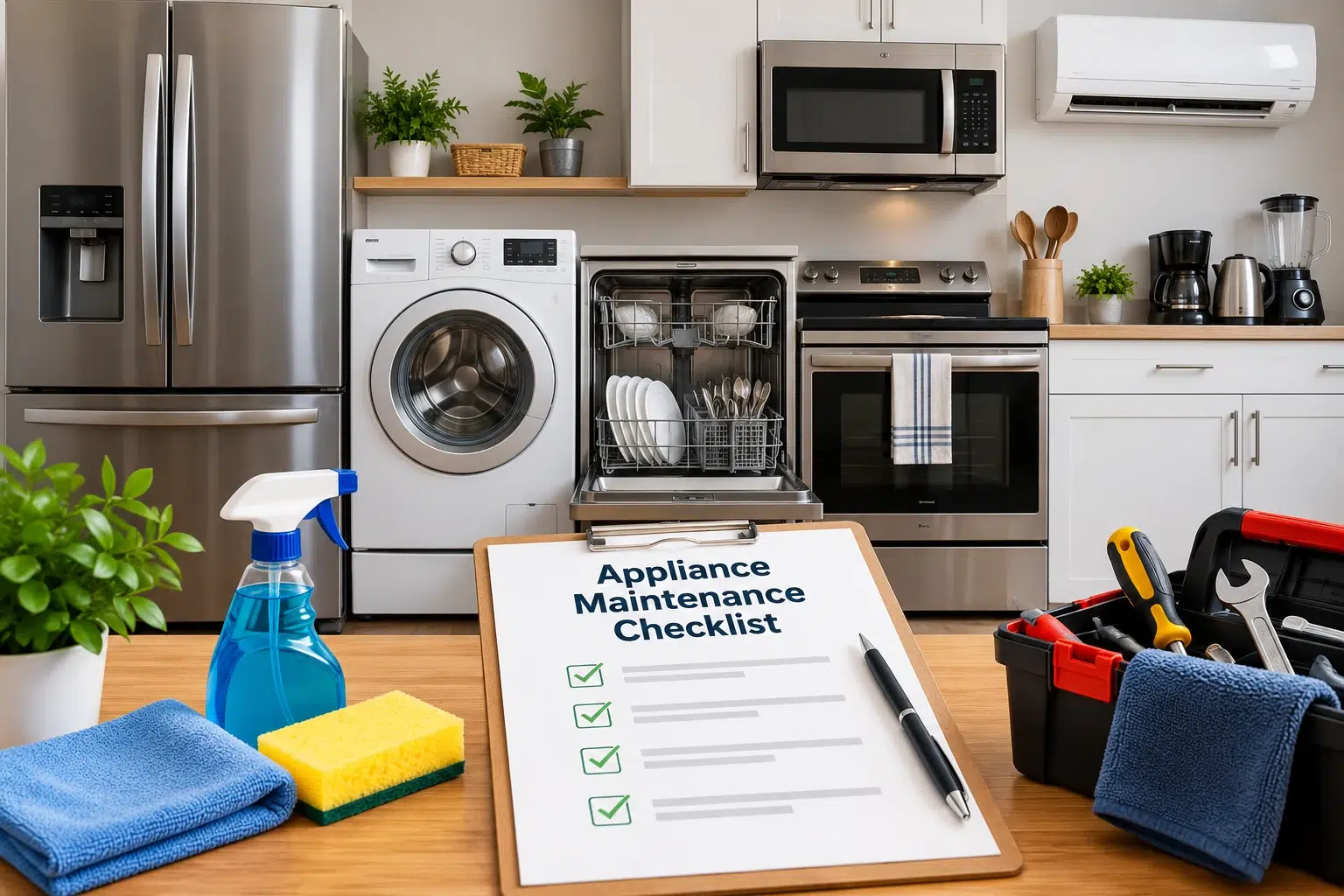

Home appliances are an important part of daily life because they make chores around the house easier, faster, and more convenient. All of these appliances, from fridges and washing machines to ovens, dishwashers, and air conditioners, help keep your home comfortable and efficient. Heavy use, on the other hand, can lead to dust buildup, damage, and worsened performance over time. By using a good appliance maintenance checklist, homeowners can avoid common problems, save money on energy costs, and make their appliances last longer.
Maintenance tasks don’t always need to be done by a professional. Cleaning filters, checking power cords, and removing dust from vents are just a few of the easy things that can be done at home. Being aware of how to take care of various appliances can also help keep them from breaking down at inconvenient times and costing a lot to fix.
Why Regular Appliance Maintenance Matters
Maintaining home appliances on a regular basis helps make sure they work well and safely. If you take good care of your appliances, they are less likely to have problems that you can avoid, like clogged screens, bad smells, water leaks, and overheating. Following the manufacturer’s directions and keeping parts clean can also help keep performance stable.
Using less energy is another important benefit. When vents are blocked, filters are dirty, or there is a lot of dust on appliances, they may have to work harder to do their normal jobs. This could lead to more energy use and higher utility costs for homes. Cleaning and servicing machines on a regular basis helps them work more efficiently.
Preventive maintenance can also make expensive home appliances last longer. Even though nothing lasts forever, if you take care of your appliances and have them inspected regularly, you can keep them in good shape and avoid having to replace them too soon.
Refrigerator Maintenance Checklist
When people come home, the refrigerator is one of the most-used tools, and it’s usually on all day. Keeping it clean and in good shape helps keep the food fresh and helps the business run smoothly.
Start by regularly cleaning the shelves, drawers, and door pockets on the inside. Get rid of food that has gone bad, clean up spills, and smell for bad smells. Use a cleaning solution that is made for refrigerator interiors and stay away from harsh chemicals that could get on surfaces that food touches.
Make sure the door seals on the fridge close all the way. When seals are broken or dirty, cold air can escape, making the appliance work harder to keep the right temperature. If the seals get cracked or don’t work right, clean them gently and make plans to get new ones.
Depending on the model of the fridge, dust can build up around the condenser coils and the vents. If the maker tells you to, clean the coils that can be reached by following the directions after turning off the power. Make sure there is enough space around the fridge so that heat can leave quickly.
Also, keep an eye on the temperatures in the fridge and freezer. Keep food at safe temperatures and don’t pack too much into the compartments; this can stop air from moving through them. If the appliance makes strange noises, gets too frosty, or has trouble keeping its temperature, you should look into the problem right away.
Washing Machine Maintenance Checklist
Washing machines handle a lot of laundry, and if they aren’t taken care of properly, they can get detergent residue, bad smells, and drainage issues. Maintenance helps clothes stay clean and stops damage that could have been avoided.
If you can, leave the door or lid open after the wash cycle is over to let the water escape. For front-loading machines, wipe the rubber door gasket gently to get rid of any lint or other debris that is stuck inside. This keeps moisture and mildew from building up.
Follow the directions on the detergent dispenser’s box to clean it. Too much fabric softener and soap can leave behind deposits that make it hard to use. If you use the right amount of detergent for the load size and water conditions, you can avoid leaving behind extra residue.
If your washing machine has a drain filter that can be reached and serviced by a person, check it. Carefully follow the directions because opening it could let water out. Check the water supply hoses for cracks, bulges, or leaks, and replace any that are broken right away.
When the maker tells you to, run a drum-cleaning cycle. Do not put too much weight on the machine; doing so can put extra stress on the motor, chassis, and other parts. If the machine shakes a lot, make sure it’s level and that the weight is spread out evenly.
Dishwasher Maintenance Checklist
Cleaning your dishwasher on a regular basis is important to get rid of food particles, grease, and mineral deposits that can stop it from cleaning well. A few easy upkeep steps can make the dishes cleaner and get rid of smelly things.
Follow the manufacturer’s instructions to check and clean the dishwasher filter. Food particles that get stuck in the filter can make it drain slowly and smell bad. Clear the spray arms of any dirt and make sure that their holes are not blocked.
Use the right kind of cloth to wipe down the door edges and seals to get rid of any dirt that has built up. Make sure the spray arms can move freely and that the dishes don’t get in the way of them. Better cleaning results can be achieved by using the right dishwasher detergent and filling the dishes in the way that the manufacturer suggests.
If you live in an area with hard water, mineral buildup may happen inside the dishwasher over time. Whenever you need to, use a cleaner or descaler made just for your model of dishwasher. Check the connections for the water supply and sink for leaks. Also, look into any noises or water that won’t go away.
Oven and Microwave Maintenance Checklist
To get rid of food splashes, grease, and residue, ovens and microwaves need to be cleaned often. If you let these layers build up, they can make smelly things and smoke while you cook.
When cleaning an oven, make sure it is completely cool first. Use products that are safe for the oven’s finish to get rid of loose crumbs and clean up spills. If the oven can clean itself, follow the safety instructions from the manufacturer and don’t use cleaning products that aren’t made to work with ovens.
Look for signs of damage on the oven racks, door seals, and buttons. A broken door seal can make it harder to keep heat in and make cooking less effective. If the oven doesn’t heat properly or the temperature doesn’t seem right, get a professional to look at it.
Clean the inside of microwaves often with a soft cloth and the right cleaning solution. Clean up any food that got on the walls, ceiling, or turntable. Make sure the turntable is in the right place and the door closes securely.
If the door, latch, or safety interlocks on your microwave are broken, you should never use it. Do not use metal containers or items that are not approved for use in microwaves. Stop using the device and have it checked out if you see sparks, smell burning, or notice that the electricity is acting strangely.
Air Conditioner Maintenance Checklist
Air conditioners need to be serviced regularly to keep cooling properly and keeping the inside of your home comfortable. Filters that are dirty or that block airflow can make things less efficient and make it harder for air to flow.
The maker says to check the air filter every so often, but especially when the car is being used a lot. Follow the directions for cleaning reusable filters or get new throwaway filters when they get dirty. A clean filter helps keep the air moving and stops dust from building up inside the system.
Check both the indoor and outdoor units for things that could get in the way. Keep things like furniture, curtains, and other things away from air outlets inside, and clean up around the outdoor unit without damaging its parts by removing leaves and other waste.
Listen for strange sounds, water leaking, bad smells, or less effective cooling. If there are problems with the condensation drainage, water can build up around the indoor unit. A qualified technician should be in charge of problems with the refrigerant, the electricity, and the mechanical parts inside the unit.
Set up regular professional maintenance at times that are right for the appliance, the weather where you live, and how often you use it. With regular maintenance, you can spot problems before they get so bad that they need major fixes.
Small Kitchen Appliance Maintenance
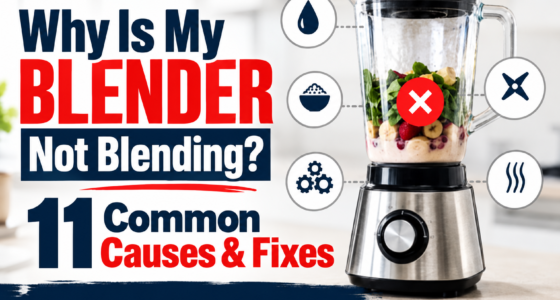
Maintenance is also good for small machines like blenders, toasters, electric kettles, coffee makers, and food processors. Even though these appliances aren’t as expensive as some big pieces of home equipment, not taking proper care of them can still make them less safe and shorten their life.
Before you clean an appliance, unplug it. Use the right cloth to clean the outside, and if any parts need to be taken off, follow the manufacturer’s directions. Do not put a motor base, an electrical plug, or any other part that is not waterproof in water.
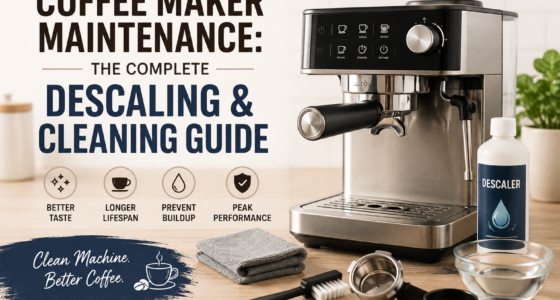
Mineral buildup can happen in electric kettles and coffee makers depending on how hard the water is. When needed, descale these appliances using a method that has been approved. After using them, clean the blender jars and food processor devices, being careful not to damage the blades. Make sure that everything is dry before putting it away.
Look for damage in the power lines and plugs. If the plug gets too hot, the cord gets frayed, or the device smells like it’s on fire, stop using it. Repairs that involve electrical parts should only be done by a trained professional.
Electrical Safety and Appliance Inspection
Electrical safety should be a part of the care that all home appliances get. Damaged cords, loose plugs, outlets that are too full, and bad grounding can all cause fire and electric shock risks.
Check the power cords that can be seen every so often and make sure that the appliances are plugged into the right outlets. When powering high-wattage appliances, don’t use extension cords or adapters that are broken. When installing big appliances, make sure to follow the manufacturer’s directions and the power needs of the appliances.
Electrical items should not be left near standing water unless they are made to be used in wet places. If an appliance keeps tripping a circuit breaker, making sparks, or making an outlet get unusually hot, you should stop using it and call an electrician or appliance technician.
If the manufacturer’s instructions say to, turn off and unplug the appliance before doing any maintenance. Some appliances, like ovens, refrigerators, and air conditioners, may have parts that are still dangerous even after the appliance is turned off. Do not open locked systems or try to fix things that are beyond your skill level.
How Often Should Household Appliances Be Maintained?
The best way to schedule maintenance depends on the appliance, what the manufacturer says, and how often it is used. But sticking to a habit makes it easier to avoid problems and remember to do important things.
As part of daily or weekly maintenance, kitchen surfaces can be wiped down, spills checked for, food residue cleaned up, and appliance vents checked to make sure they are not blocked. Checking the air conditioner filters, cleaning the inside of the fridge, checking the washer’s seals, and looking for damage in the lines of appliances may all be part of monthly maintenance.
Homeowners can check for accessible ventilation areas every couple of months, clean the filters in their dishwashers, descale small appliances as needed, and look over any performance problems that keep happening. Professional servicing of air conditioners and other appliances that need technical inspection may be part of yearly maintenance.
These times are just suggestions; they’re not rules that everyone has to follow. Always follow the directions that come with each appliance, as some models need to be cleaned or maintained in a certain way more often than others.
Common Appliance Maintenance Mistakes to Avoid
People often make the mistake of waiting until a device stops working before they check it out. If you don’t fix small problems like clogged filters, loose fittings, or broken seals, they may slowly make the system less effective.
Using too much detergent, the wrong cleaning products, or rough tools can also damage the surfaces and parts of a device. People who own appliances should only use cleaning products that are safe for them and not mix different kinds of cleaning chemicals.
Another mistake is not letting enough air flow through. Airflow is important for appliances like refrigerators, ovens, dryers, and air conditioners to work right. Putting machines too close to walls or blocking vents can make it harder for heat to escape and affect how well they work.
When washing machines and dishwashers are overloaded, they can put extra stress on parts and clean less effectively. In the same way, avoiding strange sounds, leaks, burning smells, or repeated electrical problems can make a small problem worse and put people in danger.
Lastly, trying to fix things that are hard to fix without the right skills and tools can make things worse. If an appliance has an electrical problem, a possible refrigerant leak, or a problem with its internal mechanical parts, it is safer to get professional help.
Benefits of Following an Appliance Maintenance Checklist
A regular appliance maintenance checklist makes it easy to keep up with housework and lowers the risk of problems that come up out of the blue. It helps people remember to clean important things, spot damage early, and make appointments for professional service when it’s needed.
Regular maintenance can help save energy, make things cleaner, cut down on repair costs that aren’t necessary, and extend the life of home items. It can also make appliances more reliable when they are being used a lot, like when it’s hot outside or when the family is busy.
Instead of waiting for problems to happen, it’s best to make a plan based on the appliances in your home and do small maintenance tasks on a regular basis.
Conclusion
Taking care of your home appliances doesn’t have to be hard or take a lot of time. Cleaning, taking care of filters, checking ventilation, inspecting, and using appliances safely on a regular basis can make a big difference in how well they work and how long they last.
Every piece of equipment, from fridges and washing machines to dishwashers, ovens, air conditioners, and small cooking appliances, works better when it’s taken care of properly. Follow the manufacturer’s instructions and pay attention to early warning signs to avoid breakdowns and make your home safer and more efficient.
By regularly maintaining your home’s appliances, you can protect your investment, better control your energy use, and make sure that important appliances keep working well for years to come.